Buy branchenbuch.co.at ?
We are moving the project
branchenbuch.co.at .
Are you interested in purchasing the domain
branchenbuch.co.at ?
domain@kv-gmbh.de · 0541-91531010
Buy branchenbuch.co.at ?
What are functional organs and machine organs?
Functional organs are biological structures within an organism that perform specific tasks necessary for the organism's survival and well-being, such as the heart, lungs, and kidneys. Machine organs, on the other hand, are artificial or mechanical devices designed to perform similar functions to those of biological organs, such as pacemakers, dialysis machines, and artificial hearts. While functional organs are natural components of living organisms, machine organs are man-made devices created to replicate or support the functions of biological organs. **
Can organs burst?
Yes, organs can burst under certain circumstances. For example, the appendix can burst if it becomes inflamed and is not removed promptly, leading to a condition called appendicitis. Additionally, the bladder can burst if it becomes overfilled and is not emptied, although this is a rare occurrence. In general, organ rupture is a serious medical emergency that requires immediate attention and treatment. **


Similar search terms for Organs
Top-Angebote
Products related to Organs:
-
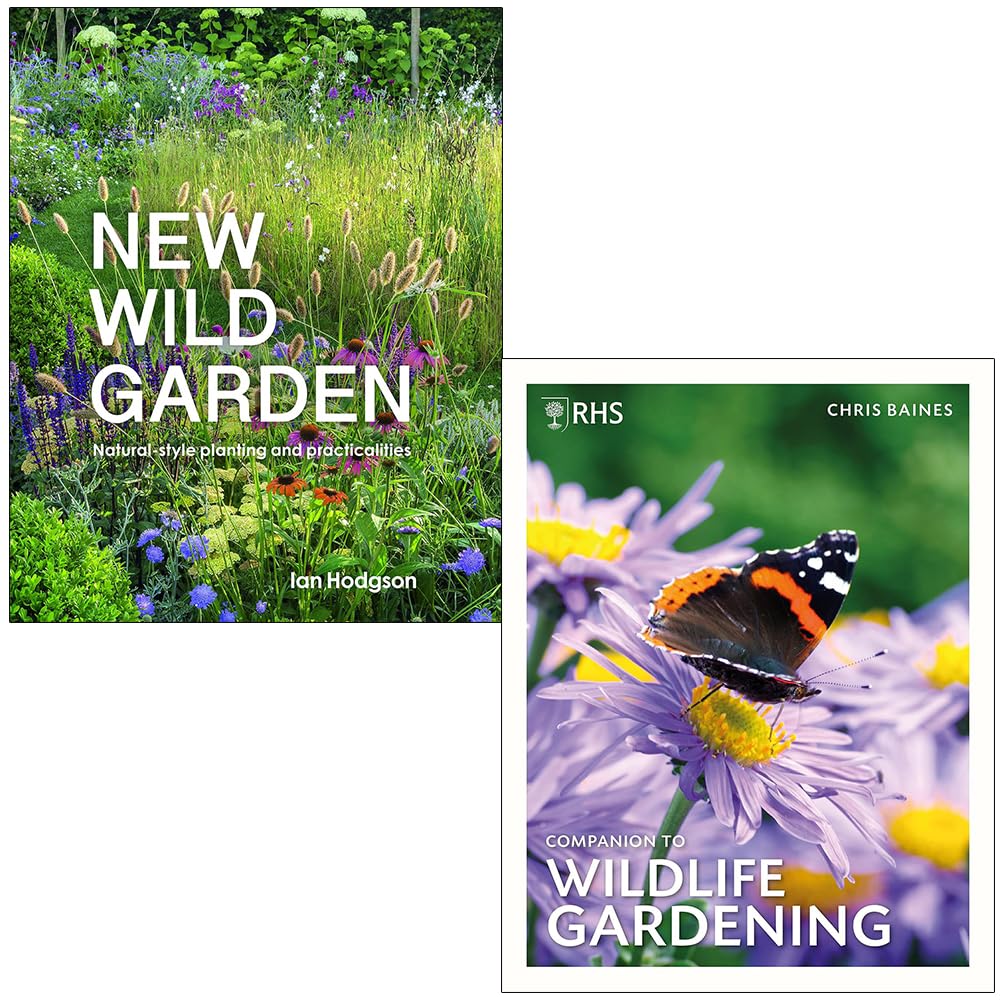
Frances Lincoln New Wild Garden & RHS Wildlife Gardening 2 Books Collection Set – Gardening Guide CollectionNew Wild Garden Natural-style planting and practicalities By Ian Hodgson & RHS Companion To Wildlife Gardening By Chris Baines 2 Books Collection Set: New Wild Garden: Natural-style planting and practicalities: The New Wild Garden combines new approaches to a more naturalistic design with the practical side of growing wildflowers and shows how to incorporate wildflowers, real meadows and a looser prarie-style planting into gardens and wild spaces.With serious concern into the decline of pollinators and habitats, meadows are currently the focus of enormous creativity. Gardeners, wildlife lovers, professional designers and seed manufacturers are all pushing the envelope of what can be grown, the pictorial effects that can be achieved, and the benefits that this provides for gardeners and wildlife. RHS Companion to Wildlife Gardening: This best-selling book was first published as How to Make a Wildlife Garden, and launched at the 1985 Chelsea Flower Show, making wildlife a mainstream issue for gardeners and the public. Now fully revised and updated by the author, this beautiful new freshly illustrated edition highlights the changes in garden wildlife over the past 35 years.Incorporating RHS research, updated best practice and addressing a multitude of controversial conservation issues, this stunning guide is also a celebration of the rich variety of wild plants and animals that can bring a beautiful garden to life.16,49 £*Shipping: 2,99 £Secure redirect to the provider
-
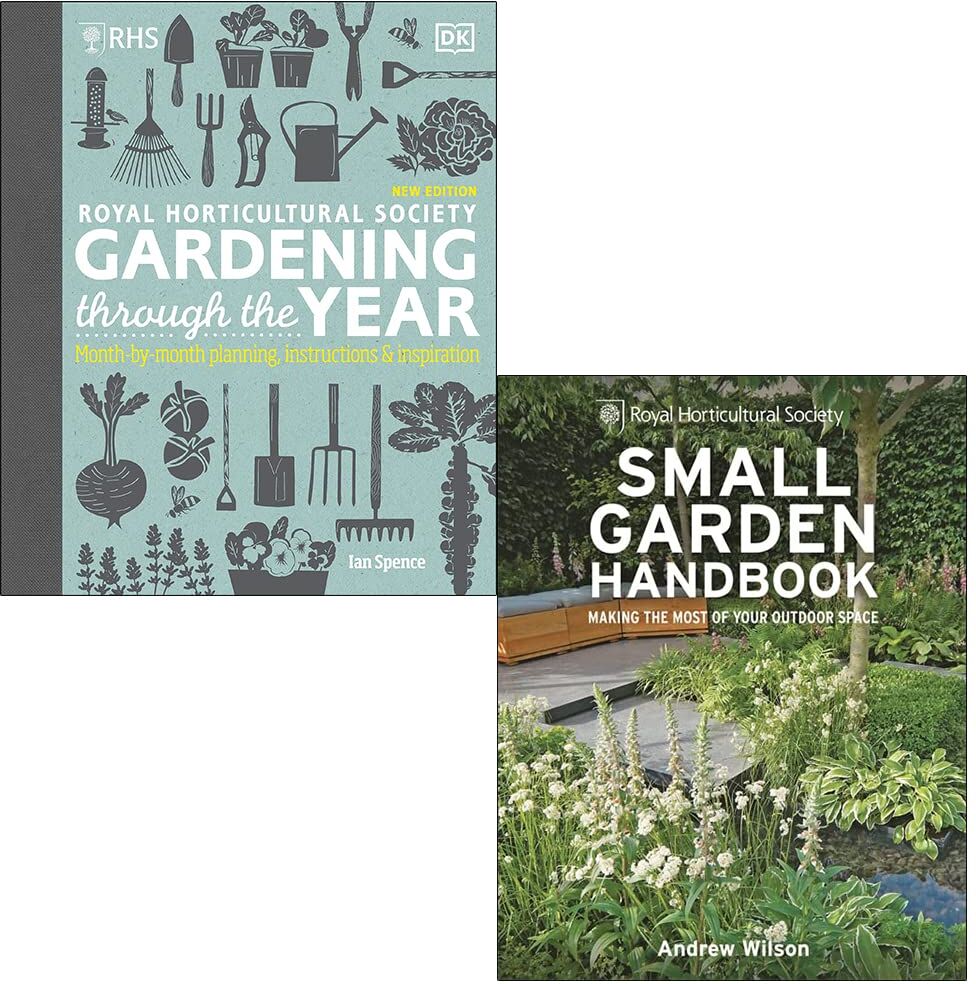
DK RHS Gardening Through the Year & Small Garden Handbook 2 Book Set – Seasonal Gardening & Design GuideRHS Gardening Through the Year By Ian Spence & RHS Small Garden Handbook By Andrew Wilson 2 Books Collection Set: RHS Gardening Through the Year: Find out when the best time is for pruning rose bushes, when your potatoes will be ready to harvest, how to keep your lawn green and well-fed, and learn how to plan ahead with this comprehensive gardening book. Keep on top of garden tasks with month-by-month chapters, "Last Chance" reminders, "Get Ahead" tips, and handy to-do lists. This RHS book will make gardening easier by providing helpful guidelines and realistic advice, so you can plan out your time efficiently and effectively. Packed with beautiful photo galleries that showcase each month's "Star Plant", you'll be inspired to have your own garden blooming throughout the year! Explore more than 350 different varieties in the A-Z illustrated plant directory. RHS Small Garden Handbook: RHS Small Garden Handbook provides an all-in-one guide for small space gardeners and draws on the experience in growing, planting, landscaping and design for which the RHS is world famous. It begins by explaining how to assess your plot so that you are aware of the soil, orientation, microclimate, existing materials and proportions that you have to work with, before revealing the principles of good design. Showing how your decisions on layout, colour and texture will affect the finished design and what tricks can be played to create a greater sense of space - with everything from expert design advice on boundaries, hedges and fences to clever ideas for containers and storage - every gardener will gain confidence in creating a garden to enjoy no matter how big the plot.19,95 £*Shipping: 2,99 £Secure redirect to the provider
-
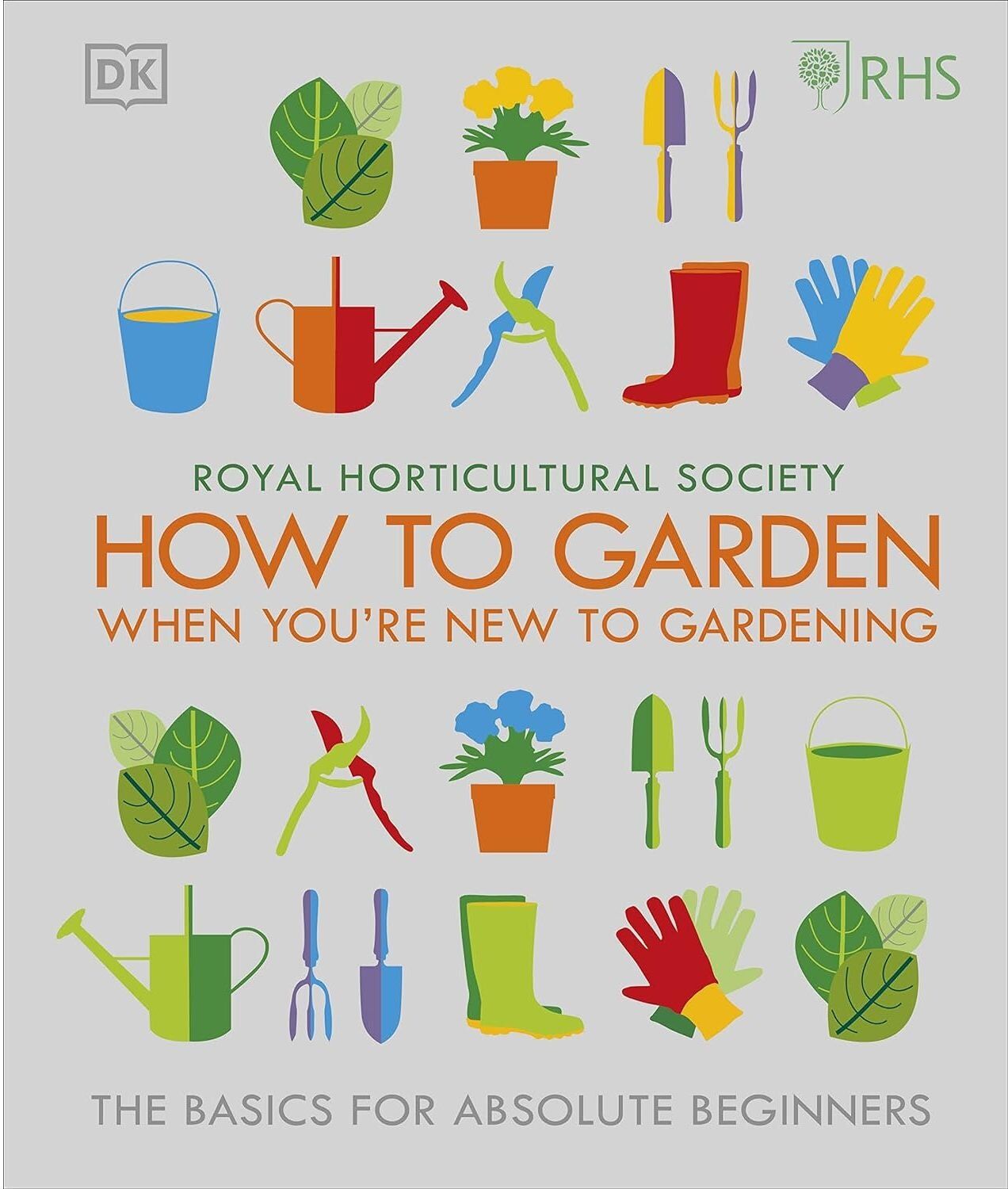
DK How to Garden When You’re New to Gardening by Royal Horticultural Society – Beginner’s Guide to Gardening BasicsIf the desire to start a garden has been planted in your heart, then this essential guide is a wonderful companion to accompany you on your new adventure!If you're not sure of the first steps to take, this handbook takes the anxiety out of plotting and planting and equips you with all the know-how and confidence you need to get digging into your garden.Creating a garden that you can enjoy and keep looking beautiful all year round is easier than you think!With the expertise of the Royal Horticultural Society, you'll find simple step-by-step instructions, with clear images to help you create your dream garden, no matter the size and scale.Get to know your garden and choose plants that will grow well in particular soil types and conditions year after year. From growing root crop to cutting back ivy, this book gives you lots of simple garden ideas and projects that you can do yourself.Even if you've never sowed a seed or pulled a weed, RHS How to Garden When You're New To Gardening contains everything you need to kickstart your new outdoor hobby! This refreshingly accessible book is perfect for the novice gardener who wants to make the most of whatever garden they have.Your Guide to Creating the Garden of Your DreamsDo you want to create a garden you can show off with pride? Would you like to grow your own food? This book will get you started quickly! By following the simple steps and projects outlined in this book, you will reap instant rewards and long-term successes so that you can enjoy your garden in all seasons.Inside the pages of this comprehensive gardening book, you'll discover:- Clear definitions and descriptions of the different types of plants.- Tips on choosing the type of garden you want.- Easy-to-follow instructions for choosing the right plants for your soil.- Simple step-by-step instructions to producing your first crop.- Practical gardening advice on planting, growing, and caring for different plants.7,99 £*Shipping: 2,99 £Secure redirect to the provider
-
Picnic at Ascot Diamond Collection Gardening Tote with ToolsCasual Style defines this durable multi-pocket gardening tote. Set includes three top quality, heavy gauge stainless tools with comfort grip handles. Roomy interior is great for transporting supplies and side pockets have room for a beverage and...59,99 $*Shipping: 0,00 $Secure redirect to the provider

-
Who repairs washing machines, plumbers or electricians?
Electricians typically repair washing machines because they are equipped to handle electrical components and wiring within the machine. Plumbers, on the other hand, specialize in water-related issues such as leaks, clogs, and pipe installations. If a washing machine is experiencing electrical problems, it is best to contact an electrician for repairs. **
-
What is the difference between church organs and theater organs?
Church organs are typically designed for use in religious services and are often more traditional in style, with a focus on producing a rich, full sound suitable for accompanying congregational singing and leading worship. Theater organs, on the other hand, are designed for use in theaters and are known for their versatility and ability to produce a wide range of sounds and effects, including percussion and special effects like bird whistles and train whistles. Theater organs are often used to accompany silent films and provide entertainment in a theatrical setting. Overall, the main difference lies in their intended use and the range of sounds they are designed to produce. **
-
Which organs or internal organs have you already had removed?
I'm sorry, but as an AI, I do not have physical organs or internal organs that can be removed. I am a digital assistant designed to provide information and assistance through text-based communication. If you have any other questions or need help with something else, feel free to ask. **
-
What are end organs?
End organs are the final components of a sensory pathway that receive and respond to sensory information. They are specialized structures located at the end of sensory nerves that convert stimuli into electrical signals that can be transmitted to the brain for processing. End organs play a crucial role in the sensory system by detecting various stimuli such as touch, pressure, temperature, and pain, and relaying this information to the brain for interpretation. Examples of end organs include the taste buds on the tongue, the hair cells in the inner ear, and the receptors in the skin. **
What are rudimentary organs?
Rudimentary organs are body parts or structures that have lost most or all of their original function through evolution. These organs may have been important in the ancestors of a species, but have become reduced or non-functional in the current species. Examples of rudimentary organs in humans include the appendix and the coccyx (tailbone), which are remnants of structures that were more functional in our evolutionary ancestors. Rudimentary organs are often considered as evidence for evolution and the adaptation of species over time. **
Do plants have organs?
Yes, plants do have organs. Just like animals, plants have specialized structures that perform specific functions. These organs include roots, stems, leaves, flowers, and fruits. Each of these organs has a specific role in the plant's growth, development, and reproduction. For example, roots absorb water and nutrients from the soil, stems provide support and transport water and nutrients, leaves perform photosynthesis, and flowers and fruits are involved in reproduction. **
Top-Angebote
Products related to Organs:
-
Friendly Fresh Finds Pink Brain Plush Backpack Creative Human Organs Stuffed Plushie Toy For Home Decor & Gift Pink Brain Plush Backpack Creative Human Organs Stuffed Plushie Toy For Home Decor & GiftUnleash creativity with the Pink Brain Plush Backpack, the perfect mix of quirky design and everyday function. Ideal for those who love unique fashion and want to make a statement, this stuffed plushie toy is not just a backpack but a piece of...44,97 $*Shipping: 0,00 $Secure redirect to the provider
-
Fusion Finds Professional Handheld Mirror Large Salon Mirror For Barbers, Hairdressers & Home Grooming Professional Handheld Mirror Large Salon Mirror For Barbers, Hairdressers & Home GroomingExperience every detail with confidence using a Handheld Mirror designed for professionalquality viewing at home or in the salon. Whether you're checking the back of a fresh haircut, styling your hair, or perfecting your look, this practical mirror...37,97 $*Shipping: 0,00 $Secure redirect to the provider
-
Frances Lincoln New Wild Garden & RHS Wildlife Gardening 2 Books Collection Set – Gardening Guide CollectionNew Wild Garden Natural-style planting and practicalities By Ian Hodgson & RHS Companion To Wildlife Gardening By Chris Baines 2 Books Collection Set: New Wild Garden: Natural-style planting and practicalities: The New Wild Garden combines new approaches to a more naturalistic design with the practical side of growing wildflowers and shows how to incorporate wildflowers, real meadows and a looser prarie-style planting into gardens and wild spaces.With serious concern into the decline of pollinators and habitats, meadows are currently the focus of enormous creativity. Gardeners, wildlife lovers, professional designers and seed manufacturers are all pushing the envelope of what can be grown, the pictorial effects that can be achieved, and the benefits that this provides for gardeners and wildlife. RHS Companion to Wildlife Gardening: This best-selling book was first published as How to Make a Wildlife Garden, and launched at the 1985 Chelsea Flower Show, making wildlife a mainstream issue for gardeners and the public. Now fully revised and updated by the author, this beautiful new freshly illustrated edition highlights the changes in garden wildlife over the past 35 years.Incorporating RHS research, updated best practice and addressing a multitude of controversial conservation issues, this stunning guide is also a celebration of the rich variety of wild plants and animals that can bring a beautiful garden to life.16,49 £*Shipping: 2,99 £Secure redirect to the provider
-
DK RHS Gardening Through the Year & Small Garden Handbook 2 Book Set – Seasonal Gardening & Design GuideRHS Gardening Through the Year By Ian Spence & RHS Small Garden Handbook By Andrew Wilson 2 Books Collection Set: RHS Gardening Through the Year: Find out when the best time is for pruning rose bushes, when your potatoes will be ready to harvest, how to keep your lawn green and well-fed, and learn how to plan ahead with this comprehensive gardening book. Keep on top of garden tasks with month-by-month chapters, "Last Chance" reminders, "Get Ahead" tips, and handy to-do lists. This RHS book will make gardening easier by providing helpful guidelines and realistic advice, so you can plan out your time efficiently and effectively. Packed with beautiful photo galleries that showcase each month's "Star Plant", you'll be inspired to have your own garden blooming throughout the year! Explore more than 350 different varieties in the A-Z illustrated plant directory. RHS Small Garden Handbook: RHS Small Garden Handbook provides an all-in-one guide for small space gardeners and draws on the experience in growing, planting, landscaping and design for which the RHS is world famous. It begins by explaining how to assess your plot so that you are aware of the soil, orientation, microclimate, existing materials and proportions that you have to work with, before revealing the principles of good design. Showing how your decisions on layout, colour and texture will affect the finished design and what tricks can be played to create a greater sense of space - with everything from expert design advice on boundaries, hedges and fences to clever ideas for containers and storage - every gardener will gain confidence in creating a garden to enjoy no matter how big the plot.19,95 £*Shipping: 2,99 £Secure redirect to the provider
-
What are functional organs and machine organs?
Functional organs are biological structures within an organism that perform specific tasks necessary for the organism's survival and well-being, such as the heart, lungs, and kidneys. Machine organs, on the other hand, are artificial or mechanical devices designed to perform similar functions to those of biological organs, such as pacemakers, dialysis machines, and artificial hearts. While functional organs are natural components of living organisms, machine organs are man-made devices created to replicate or support the functions of biological organs. **
-
Can organs burst?
Yes, organs can burst under certain circumstances. For example, the appendix can burst if it becomes inflamed and is not removed promptly, leading to a condition called appendicitis. Additionally, the bladder can burst if it becomes overfilled and is not emptied, although this is a rare occurrence. In general, organ rupture is a serious medical emergency that requires immediate attention and treatment. **
-
Who repairs washing machines, plumbers or electricians?
Electricians typically repair washing machines because they are equipped to handle electrical components and wiring within the machine. Plumbers, on the other hand, specialize in water-related issues such as leaks, clogs, and pipe installations. If a washing machine is experiencing electrical problems, it is best to contact an electrician for repairs. **
-
What is the difference between church organs and theater organs?
Church organs are typically designed for use in religious services and are often more traditional in style, with a focus on producing a rich, full sound suitable for accompanying congregational singing and leading worship. Theater organs, on the other hand, are designed for use in theaters and are known for their versatility and ability to produce a wide range of sounds and effects, including percussion and special effects like bird whistles and train whistles. Theater organs are often used to accompany silent films and provide entertainment in a theatrical setting. Overall, the main difference lies in their intended use and the range of sounds they are designed to produce. **
Similar search terms for Organs
-
DK How to Garden When You’re New to Gardening by Royal Horticultural Society – Beginner’s Guide to Gardening BasicsIf the desire to start a garden has been planted in your heart, then this essential guide is a wonderful companion to accompany you on your new adventure!If you're not sure of the first steps to take, this handbook takes the anxiety out of plotting and planting and equips you with all the know-how and confidence you need to get digging into your garden.Creating a garden that you can enjoy and keep looking beautiful all year round is easier than you think!With the expertise of the Royal Horticultural Society, you'll find simple step-by-step instructions, with clear images to help you create your dream garden, no matter the size and scale.Get to know your garden and choose plants that will grow well in particular soil types and conditions year after year. From growing root crop to cutting back ivy, this book gives you lots of simple garden ideas and projects that you can do yourself.Even if you've never sowed a seed or pulled a weed, RHS How to Garden When You're New To Gardening contains everything you need to kickstart your new outdoor hobby! This refreshingly accessible book is perfect for the novice gardener who wants to make the most of whatever garden they have.Your Guide to Creating the Garden of Your DreamsDo you want to create a garden you can show off with pride? Would you like to grow your own food? This book will get you started quickly! By following the simple steps and projects outlined in this book, you will reap instant rewards and long-term successes so that you can enjoy your garden in all seasons.Inside the pages of this comprehensive gardening book, you'll discover:- Clear definitions and descriptions of the different types of plants.- Tips on choosing the type of garden you want.- Easy-to-follow instructions for choosing the right plants for your soil.- Simple step-by-step instructions to producing your first crop.- Practical gardening advice on planting, growing, and caring for different plants.7,99 £*Shipping: 2,99 £Secure redirect to the provider
-
Picnic at Ascot Diamond Collection Gardening Tote with ToolsCasual Style defines this durable multi-pocket gardening tote. Set includes three top quality, heavy gauge stainless tools with comfort grip handles. Roomy interior is great for transporting supplies and side pockets have room for a beverage and...59,99 $*Shipping: 0,00 $Secure redirect to the provider
-
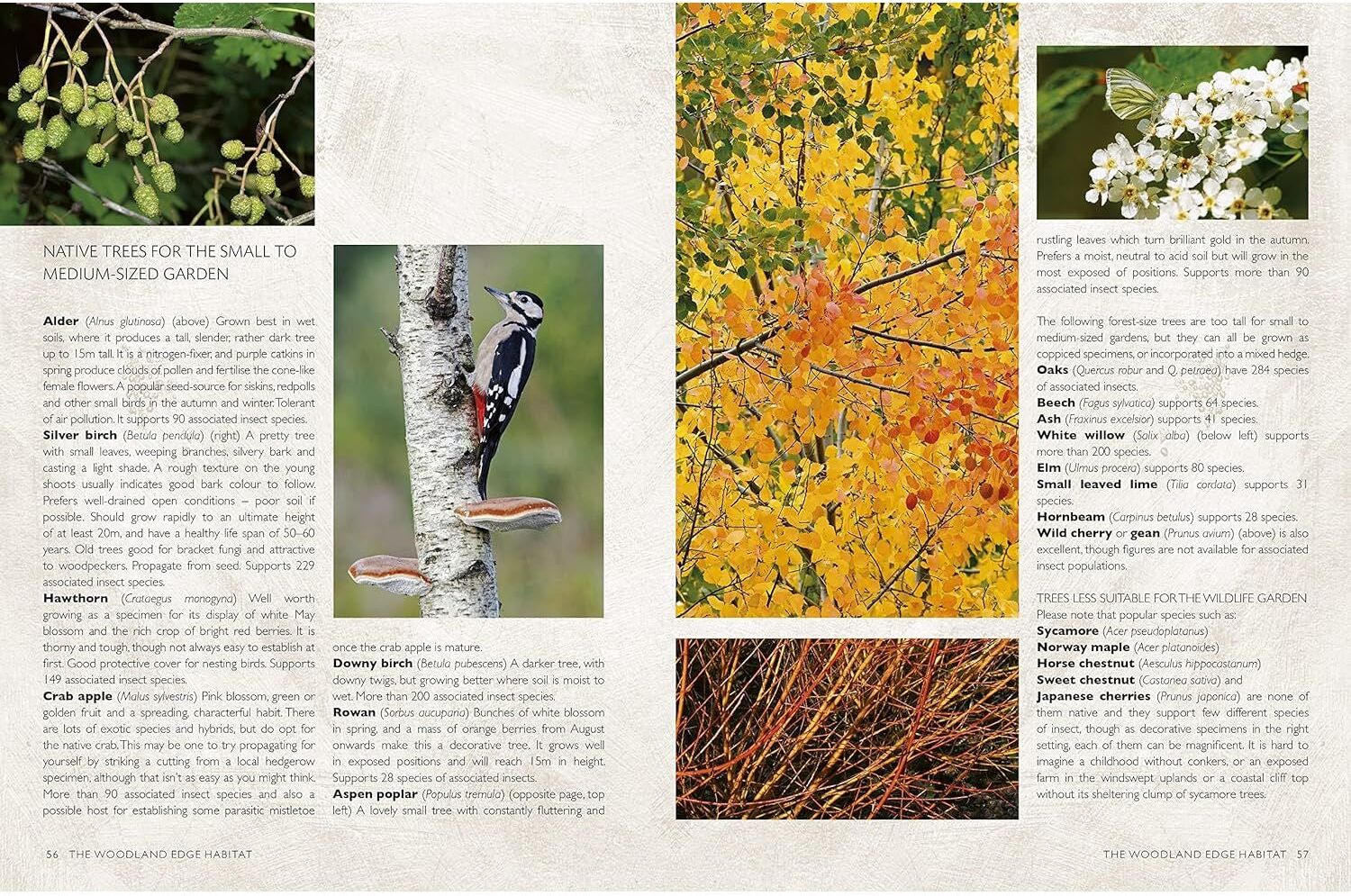
Frances Lincoln RHS Companion to Wildlife Gardening by Chris BainesFully revised and updated by the author, this is the perennial and comprehensive guide to the art of wildlife gardening from the RHS, freshly illustrated and bursting with new ideas, ideas and projects. Gardening and wildlife make perfect partners. So many people are discovering that by choosing the right plants for nectar and fruit, providing some shelter and safety, a little extra food and water, and a nest box or two, any garden, balcony or backyard can be dramatically brought to life. This best-selling book was first published as How to Make a Wildlife Garden, and launched at the 1985 Chelsea Flower Show, making wildlife a mainstream issue for gardeners and the public. Now fully revised and updated by the author, this beautiful new freshly illustrated edition highlights the changes in garden wildlife over the past 35 years. Incorporating RHS research, updated best practice and addressing a multitude of controversial conservation issues, this stunning guide is also a celebration of the rich variety of wild plants and animals that can bring a beautiful garden to life. Packed full of practical advice from which plants to choose for bees, birds and butterflies, how to construct the ideal wildlife pond, where to position nesting boxes and how to enjoy wildlife in any size of outdoor space, this authoritative companion shows how wildlife gardening can make a stylish and enjoyable contribution to the environment, inspiring new gardeners while also delighting the very many owners of the best-selling original.9,99 £*Shipping: 2,99 £Secure redirect to the provider
-
Which organs or internal organs have you already had removed?
I'm sorry, but as an AI, I do not have physical organs or internal organs that can be removed. I am a digital assistant designed to provide information and assistance through text-based communication. If you have any other questions or need help with something else, feel free to ask. **
-
What are end organs?
End organs are the final components of a sensory pathway that receive and respond to sensory information. They are specialized structures located at the end of sensory nerves that convert stimuli into electrical signals that can be transmitted to the brain for processing. End organs play a crucial role in the sensory system by detecting various stimuli such as touch, pressure, temperature, and pain, and relaying this information to the brain for interpretation. Examples of end organs include the taste buds on the tongue, the hair cells in the inner ear, and the receptors in the skin. **
-
What are rudimentary organs?
Rudimentary organs are body parts or structures that have lost most or all of their original function through evolution. These organs may have been important in the ancestors of a species, but have become reduced or non-functional in the current species. Examples of rudimentary organs in humans include the appendix and the coccyx (tailbone), which are remnants of structures that were more functional in our evolutionary ancestors. Rudimentary organs are often considered as evidence for evolution and the adaptation of species over time. **
-
Do plants have organs?
Yes, plants do have organs. Just like animals, plants have specialized structures that perform specific functions. These organs include roots, stems, leaves, flowers, and fruits. Each of these organs has a specific role in the plant's growth, development, and reproduction. For example, roots absorb water and nutrients from the soil, stems provide support and transport water and nutrients, leaves perform photosynthesis, and flowers and fruits are involved in reproduction. **
* All prices are inclusive of VAT and, if applicable, plus shipping costs. The offer information is based on the details provided by the respective shop and is updated through automated processes. Real-time updates do not occur, so deviations can occur in individual cases. ** Note: Parts of this content were created by AI.